Letter No. 85 · Creativity & Craft · The Archive
Who’s Your Audience?
Who You Write For Changes What You Write.
From a young age, my mother would assist me in my writing. Whenever I took the time to ask, she graciously reviewed my essays, listened to my presentations, and carefully dissected my speeches. Afterwards, she would pray for insights on how to improve them.
Beyond the many spell catches, word swaps, and upgrades to the message itself, there was always one note she never failed to bring up. So much so that it has become a fundamental guideline I refer to whenever I create any form of communication.
She would always ask me, “Dani, ¿cuál es tu audencia?” … “Who is your audience?”
It’s a concept that may seem small and perhaps of second importance, but that is a misunderstanding of its practical applicability, which stretches far beyond writing into business and even life itself.
We all have things we want to communicate, but it turns out, who you are speaking, writing, or presenting to is just as important as the content you are bringing to them.
Many of you may know that I have a certain respect for Leonardo da Vinci. If he were alive today, he would likely hold the title of Most Interesting Man in the World.
He was a forward-thinking engineer, a pioneering scientist, an athlete, a man of poise and suavity, an architect, an inventor, and a sculptor who also happened to paint “on the side”.
Notice the quotes in the line above; his artistic talents are mentioned almost as an afterthought. Why? Because this is how he described himself in his job application letter to the Duke of Milan around the year 1480, in which he wrote:
“Also, I can execute sculpture in marble, bronze, and clay. Likewise, in painting, I can do everything possible as well as any other, whosoever he may be.”
Isn’t that fascinating? This is how he presents himself in his detailed and over-the-top letter to the future Duke of Milan, Ludovico Sforza. This was his strategic choice in the hope of being accepted and given a position in the Duke’s court.
Having regaled the future Duke with an incredibly detailed list of all his military-related abilities (such as designing portable bridges, building indestructible fortifications, creating advanced cannons, devising secret underground passages, constructing armored vehicles, and designing naval weapons), he then slips in his artists abilies as a small note.
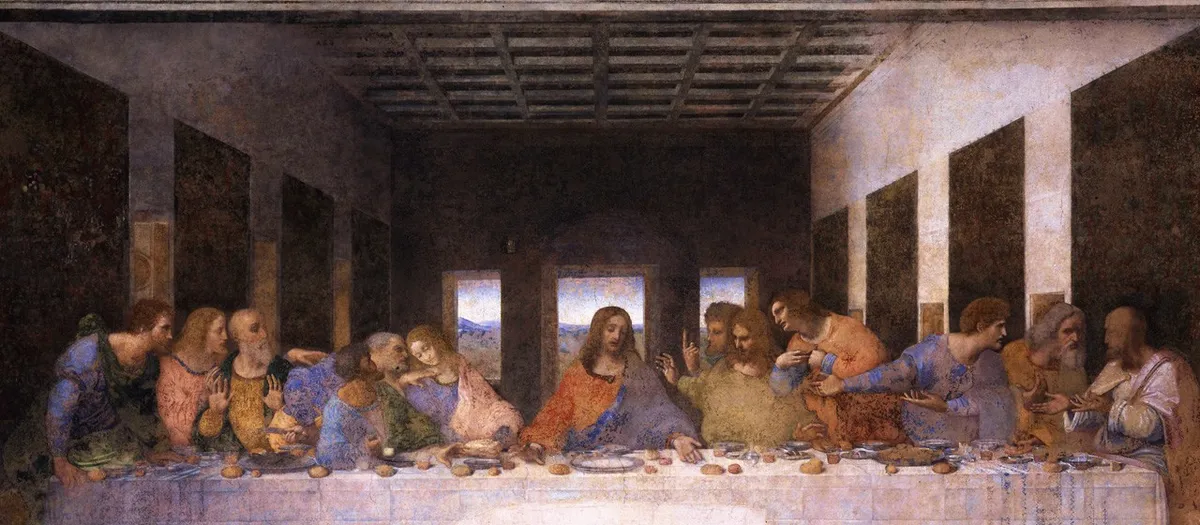
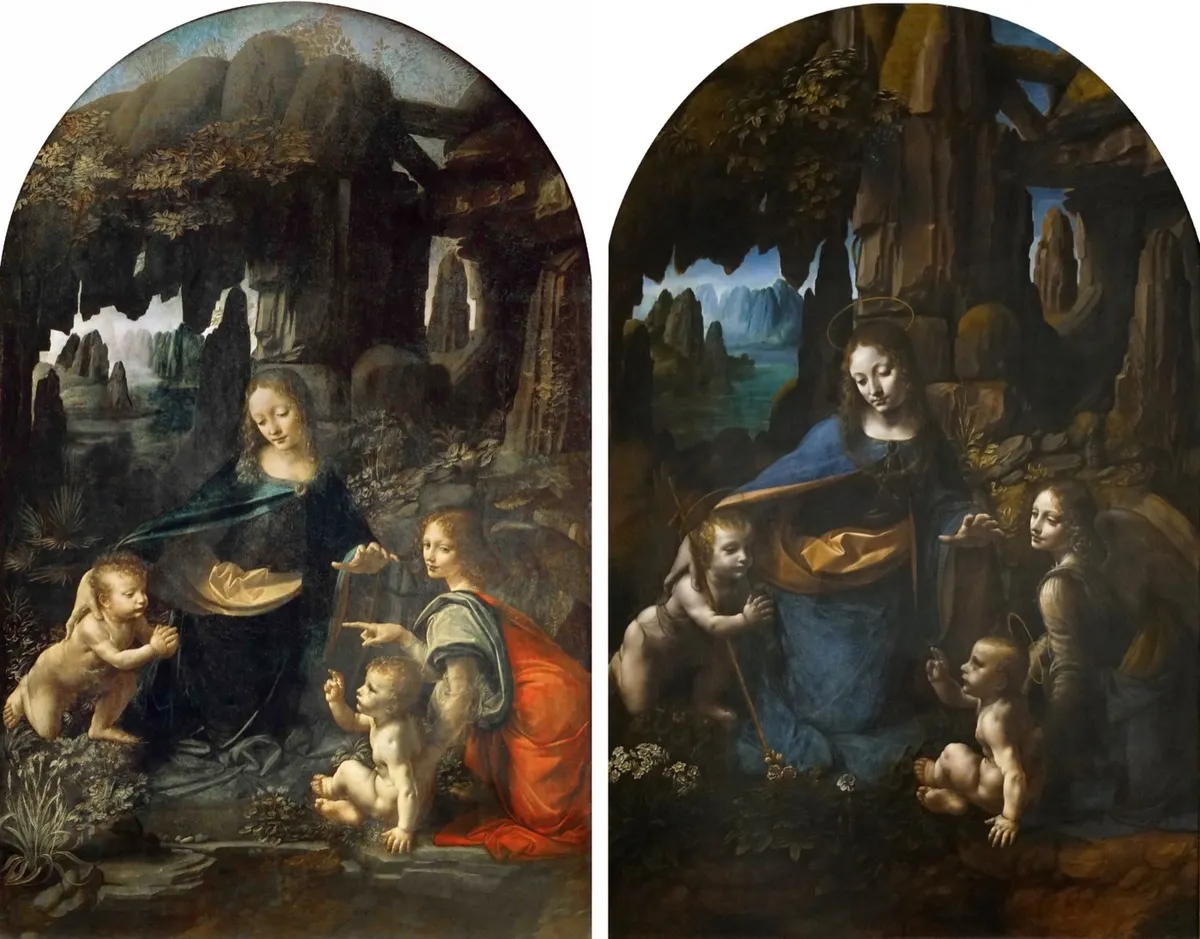
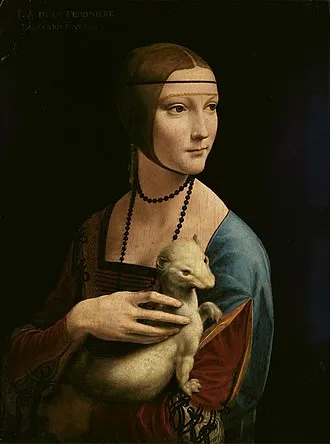
I cannot help but laugh at this, as we remember him mostly for his artwork. Ironically, the Renaissance genius’s time serving in Milan would lead to some of his most world-renowned paintings, such as The Last Supper, his two versions of The Lady Of The Rocks, and the Lady with an Ermine (all depicted below).
The funnier thing about all of this is that it actually worked. The duke was impressed by da Vinci’s talent and invited him to join his circle. Why? Not because of Leonardo’s artistic capabilities, but because he knew the power of presenting the right things to the right people. In other words, the importance of knowing your audience.
As mentioned before, Leonardo didn’t begin his memo by talking about how great an artist he was; he didn’t extol his own virtue or talk about all the things he could do. No, instead, he specifically brought his points back to the Dukes’ wants and needs. Leonardo understood that in a politically turbulent climate, what an elite member of society needed was security, strategy, and ingenuity. As a result, he positioned himself as the right man for the job by first listing his capacities in machines, inventions, and devices of war. Was da Vinci a soldier? No, he was still an artist. One who understood the power of knowing who is on the receiving end.
The same lies true for us today. Beyond any email, text, PowerPoint, or preferred form of communication that we may be responsible for. There is a true strategic advantage that emerges when we play the game with awareness of our surroundings and recipients. Too often, we present ourselves from our own perspective, what “we” can do, what “we’re” proud of, or what “we” want to say. But this is an error on our end and something that is sure to harm our message rather than facilitate its delivery.
In life and in business, we will always be responsible for communicating something to someone. Whether you know it yet or not, each of us has ideas, ones that are important and need to be shared. We must be conscious of how we deliver them. The art of Knowing Your Audience and tailoring your delivery with them in mind is a delicate skill that will help you do so strategically.

Growing up, my mama taught me a simple slogan that her grandfather had taught her. A small and simple yet incredibly complex two-word phrase that goes like this: “Win-Win.”
That short, sweet tagline has been instrumental in shaping how I live my life, and I believe it is exactly the idea we must have in mind when crafting our own message. When honing it, think about what you are trying to say, but also keep in mind the needs of those receiving it.
We’ve all heard it before, but it’s the simplest things that often slip our minds. Let us always remember that often…
It isn’t what you’re saying; it’s how you’re saying it. ;)
— Making The Most Of Being Curious
Daniel J. Cuesta
Share this letterPair this letter with a cup from Addisuna Coffee Co.

~ Wednesdays Of Wisdom ~
W.O.W Sources
The Power Of Proper Delivery: A word fitly spoken is like apples of gold in settings of silver. - Proverbs 25:11
Consider Your Audience: Let each of you look not only to his own interests, but also to the interests of others - Phillipians 2:4
Words Well Said Are Sweet: Pleasant words are like a honeycomb, sweetness to the soul and health to the bones. - Proverbs 16:24
- Da Vinci’s Application Letter: Link
- Ethan Schwandt, How To Think Like Leonardo Da Vinci: Link
- Modern Wisdom, Michael Gelb: Link
Images Mentioned:
1,008 words
Links in this piece
Wednesdays Of Wisdom · danielcuesta007.com