Letter No. 62 · Resilience & Growth · The Archive
Flour, Fire, and Failure: Master Pastry Chef Lessons
What The Kitchen Teaches About Failure.
Look, I get it; cooking isn’t for everybody, and that’s fine. But I have a confession to make.
This past summer, I binge-watched all four seasons of The Bear(a culinary drama show) and by the end of it, I was convinced I was a Michelin-star-winning chef myself.
I’m serious, I was wholeheartedly deluded into believing I had “basically” trained at Eleven Madison Park and was fluent in the ways of The French Laundry (both critically acclaimed restaurants). I thought there was nothing to it, and whipping up incredible gastronomical creations was a breeze.
And while I’ve always had an enjoyment for cooking, this got me in the kitchen more often, experimenting and learning new things at a greater pace. I went from following pre-boxed shelf recipes to baking Brioche, Coffee Cake, and even Madeleine Cookies! (pictures attached ;)
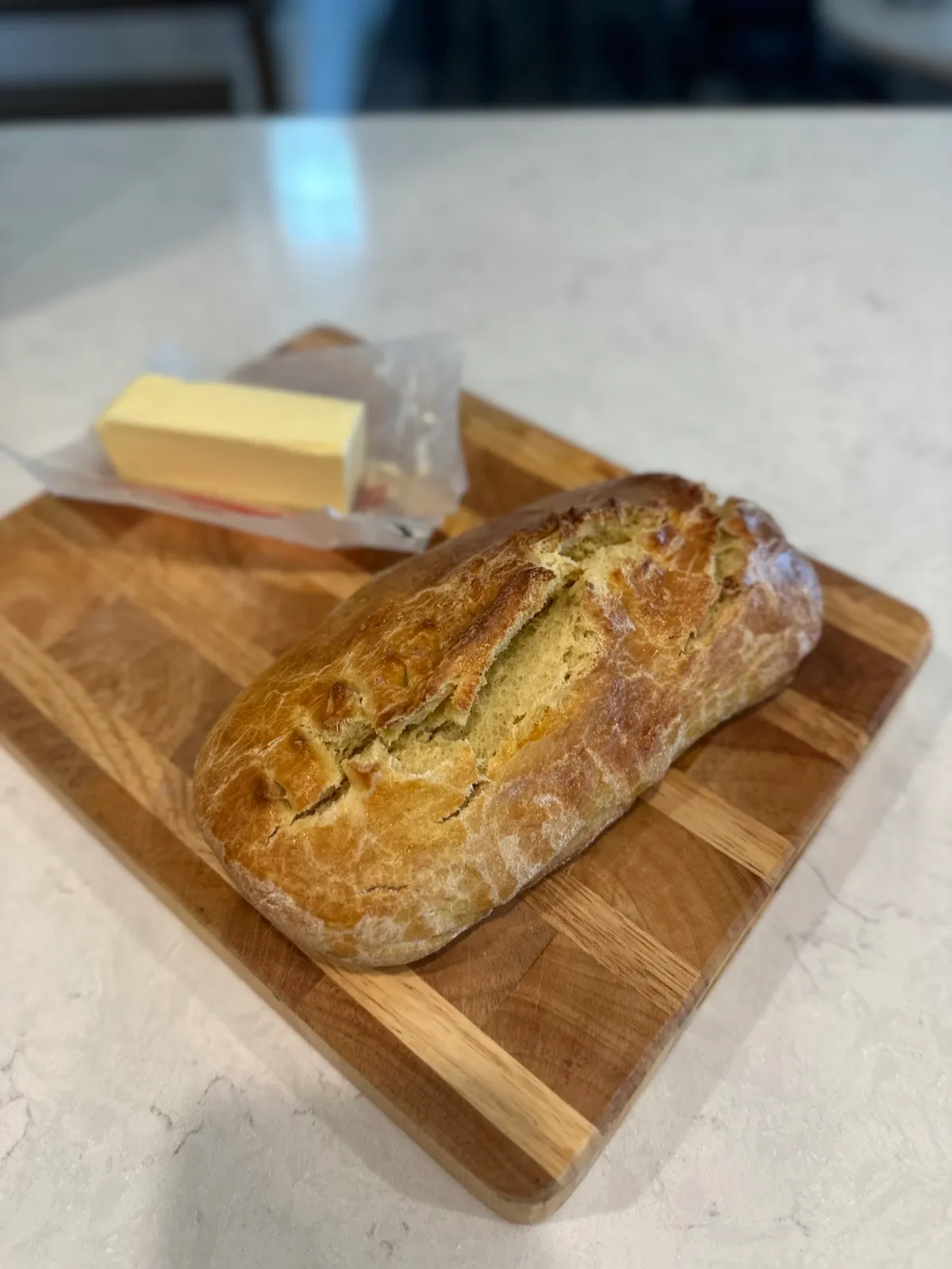
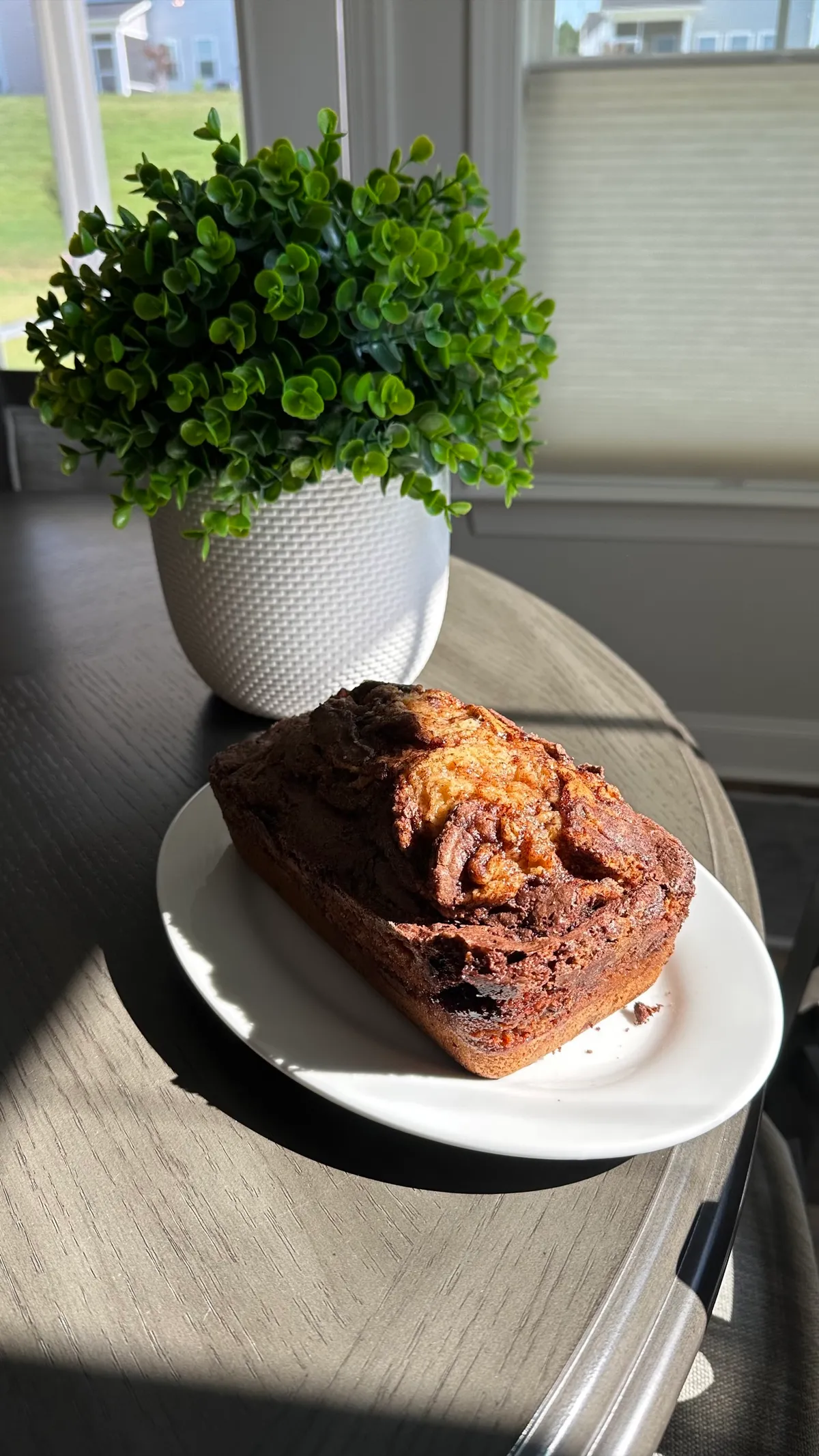
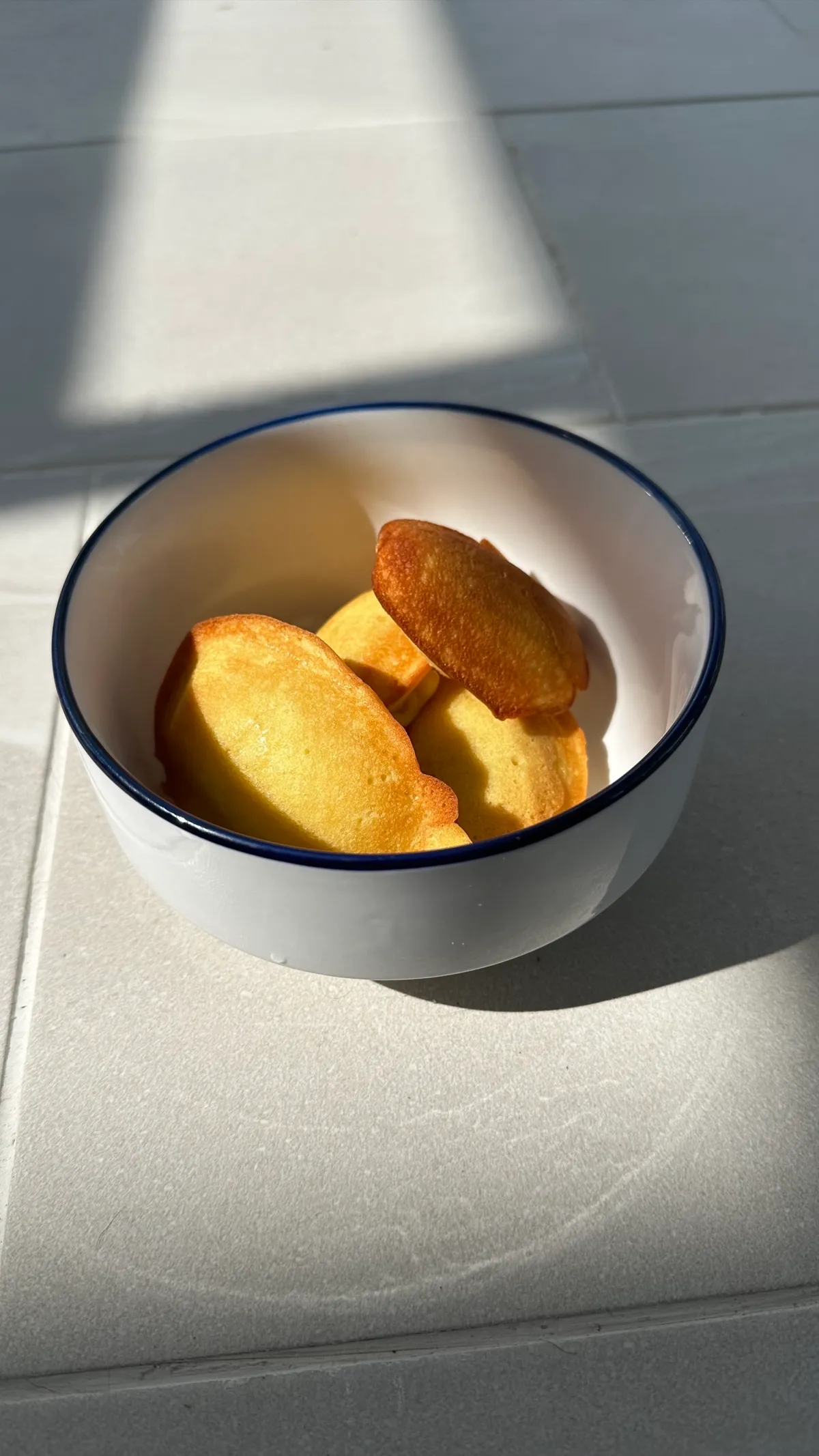
Getting into the kitchen humbles you, and I’ve made plenty of dumb little mistakes, from forgetting to oil the pans to not adding enough salt, but here are the greatest lessons I’ve learn from recently becoming a “master” pastry chef and experiencing the power of flour, fire, and failure:
- Find A Good Recipe. Then Follow It
- Let It Rest, So That It Can Rise
- The Oven Is Hot, So You Might Get Burned
If life is like baking a cake, then it’s these lessons that act as the critical and indispensable ingredients in creating one worth savoring. Yes, they may seem simple, but sometimes it’s the simplest recipes that can be easily messed up. They’re also often the most delicious when done right.
1. Find A Good Recipe. Then Follow It :)
For the most part, I believe baking can be pretty straightforward; some argue otherwise, but if you follow the recipe as intended, then it’s difficult to mess up. If it calls for two cups of flour, a pinch of salt, and a stick of butter, and you add the ingredients accordingly, then voilà, after forty-five minutes in a preheated oven at 350 degrees, you have a lovely little loaf.
However, it still takes finding a good recipe to achieve a good outcome in the kitchen. Sure, you can play chef, throw some ingredients together here and there, and potentially stumble your way to something delicious. But why put yourself through those pains, the high potential of error, and the incredible mess you are likely to make without a plan, when instead you could base your creation on the work another has already done?
Life is the same way. We like the idea of stepping into the ring without any help in our corner, but this is not a sustainable or long-term strategy. Instead, we too can borrow someone’s recipe, or, as I was taught growing up, “Borrow someone else’s map.”
Thousands of others have walked through the very valleys you think are inescapable. Countless have stood on the same mountaintops you hope to reach and soaked in the lessons from the journey. And many others have groped their way through the mist and haze of uncertainty by taking one step at a time to reach where they are today.
The beautiful thing? Most are MORE THAN HAPPY to share their insights with you if only you asked. Others’ failures and their learnings can act as our GPS. We can share in their life stories and apply the best parts to our paths. It only takes us to ask for some help. Is there anyone in your life with a map or recipe you can borrow?
2. Let It Rest So That It Can Rise: This is my favorite lesson of the bunch. I’m all for a good rest day as I don’t believe in a “work-life balance,” rather, I advocate working for life that is in balance. It is also the hardest lesson for me to process because sometimes I can be quick and get ahead of myself.
Whenever you are handling bread with yeast or another form of rising agent, the recipe will call for a rest period. A set time in which the ingredients should be left alone in a suitable environment that motivates them to come together holistically and add size to the dough. This is a tricky process and has its nuances, but arguably the hardest part is the actual waiting. There’s nothing you can do in this period but let it rest so it can rise. And yeah, that’s a pretty deep metaphor.
This may look different at various stages of our lives, but true, unhurried, and intentional rest is a tenet we should never stop upholding. If we want some lift in our lives, we first need to stop, smell the roses, and remember to Close On Sundays in order to reset and be equipped to “ rise” to every occasion.
In my eagerness to cut right to the chase and get to the heart of the matter, waiting for the bread to rise can often feel dull or boring, and maybe it is, but it’s absolutely essential to the desired end product. The waiting isn’t always exhilarating, but without it, the dough would never rise, and the bread would never be ready for baking.
3. The Oven Is Hot, So You Might Get Burned. They say if you can’t handle the heat, then get out of the kitchen, and I think they’re right. Any good cook has had their fair share of burns; thankfully, mine have never been too serious, but I’m always wary when approaching the toasty oven. The few times I have gotten scorched, I quickly rub my skin against my head of hair to soothe it and prevent scarring (a life hack) while scolding myself for forgetting the pan is hot.
But then again, it’s the heat that brings the ingredients together, triggers their chemical dance, and sends that wonderful aroma of something freshly baked into the home. Without the oven, there would be no cookies, cake, or bread. A few burns are par for the course, but that’s part of the beauty. You taste, you share, you learn, sometimes you get burned, but every time you try again.

In this life, “every second counts”, and I believe these three lessons help us squeeze out the most from every single one of those. (Yes, that was a reference to The Bear for the hardcore fans out there).
It doesn’t matter if you’re a master culinarian or not; this life is a kitchen, and something’s cooking up. It’s up to you to determine which ingredients are missing or unnecessary, which recipe to follow, what the proper methods are to achieve the perfect result, and whether anything needs a little more seasoning or not.
Regardless of your conclusions, it is essential for you to remember these three rules of the kitchen:
- Find A Good Recipe. Then Follow It
- Let It Rest, So That It Can Rise
- And The Oven Is Hot, So You Might Get Burned
Good luck, Jeff, I mean … chef. ;)
— Making The Most Of Being Curious
Daniel J. Cuesta
Share this letterPair this letter with a cup from Addisuna Coffee Co.
P.S. “Jeff/Chef” is another Bear reference. Cheers 🥂.

~ Wednesdays Of Wisdom ~
W.O.W Sources
It’s “Mostly” An Exact Science: When times are good, be happy; but when times are bad, consider this: God has made the one as well as the other. Therefore, no one can discover anything about their future. - Ecclesiastes 7:14
Let It Rest, So That It Can Rise:
- …but those who hope in the Lord will renew their strength. They will soar on wings like eagles; they will run and not grow weary, they will walk and not be faint. - Isaiah 40:31
- Wait for the Lord; be strong and take heart and wait for the Lord. - Psalm 27:14
- Be still before the Lord and wait patiently for him; do not fret when people succeed in their ways, when they carry out their wicked schemes. - Psalm 37:7
The Oven Is Hot, So You Might Get Burned: See, I have refined you, though not as silver; I have tested you in the furnace of affliction. - Isaiah 48:10
1,354 words
Links in this piece
Wednesdays Of Wisdom · danielcuesta007.com